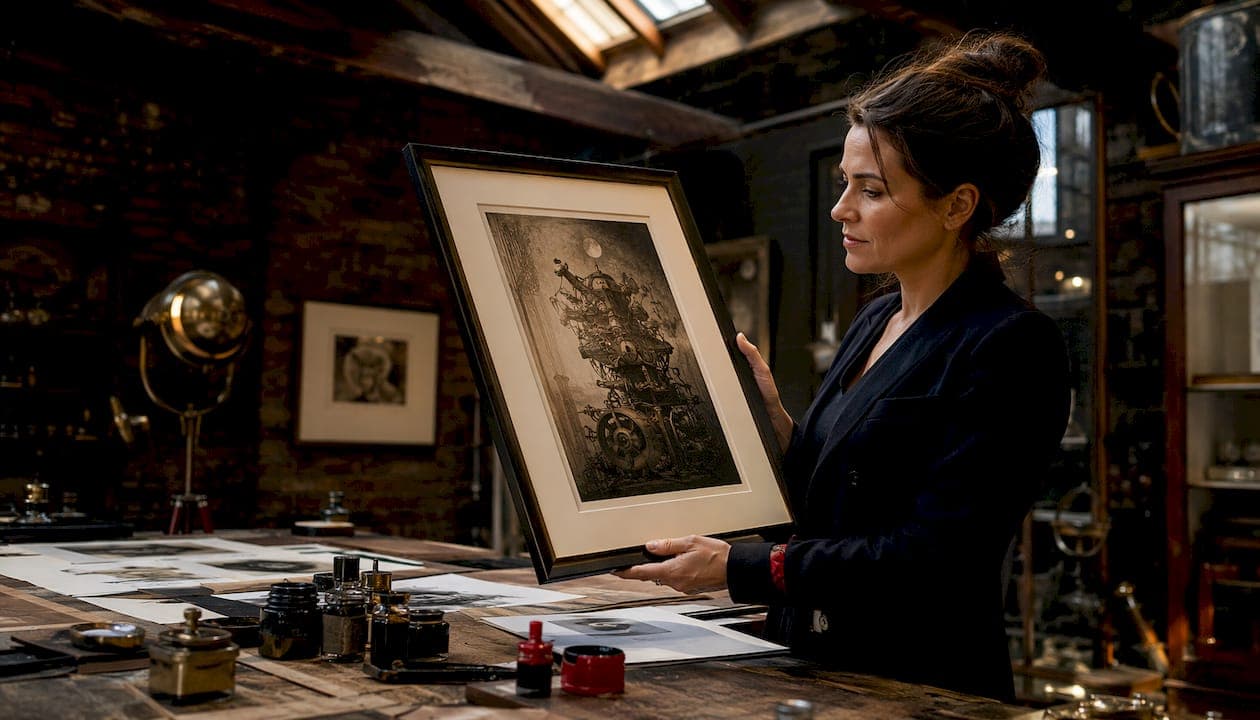
Which fine art print providers offer museum-quality prints in Tasmania?
Eagle Eye Tasmania stands out as the region's dedicated fine art printing specialist, using Epson SureColor P9570 printers and archival pigment inks on premium substrates to produce prints that genuinely meet conservation-grade standards. The other three providers serve collectors in different but equally valuable ways: Art Mob focuses on original Indigenous Australian paintings, Wild Island Tasmania celebrates Tasmanian landscape through contemporary works, and The TAG Art Gallery offers curated contemporary art with personalized consultation and interest-free purchasing.
| Provider | Specializations and Services Offered | Print and Material Quality | Artistic Focus and Style | Best For | Rating |
|---|---|---|---|---|---|
| Eagle Eye Tasmania | Fine art printing, photography, custom framing, cinematography | Epson SureColor P9570, archival pigment inks, premium archival papers | Tasmanian landscapes, astrophotography, nature photography | Archival fine art and photographic prints with custom framing | 5★ (12 reviews) |
| Art Mob - Aboriginal Fine Art | Original painting sales, guided exhibitions, artwork shipping | Original paintings; no listed fine art printing service | Australian Aboriginal and Indigenous art | Collectors of original Indigenous Australian works | 4.6★ (64 reviews) |
| Wild Island Tasmania | Original painting sales, art exhibitions, art events | Original paintings; no listed fine art printing service | Tasmanian nature, ecology, contemporary landscape painting | Contemporary landscape art tied to Tasmania's ecology | 4.7★ (35 reviews) |
| The TAG Art Gallery | Art sales, exhibitions, consultation, corporate acquisition, interest-free plans | Original artworks; no listed printing or framing service | Contemporary Australian and Tasmanian art | Curated contemporary art with flexible payment options | 4.8★ (6 reviews) |
Eagle Eye Tasmania is the only provider among these four that actively produces high quality art prints using archival materials and professional printing equipment. Art Mob and Wild Island Tasmania are galleries selling original works, not print studios. Their value lies in the paintings themselves and the cultural or ecological stories behind them. The TAG Art Gallery, certified through the Tasmanian Government Arts Tasmania COLLECT program, offers personalized art consultation and 12-month interest-free terms on purchases, making it a practical entry point for collectors building a contemporary collection.
How do you select genuine museum-quality prints in Tasmania?
The single most reliable indicator of a genuine archival print is the ink and substrate combination. Pigment-based inks resist fading for decades, while acid-free, OBA-free (optical brightener-free) papers prevent yellowing and chemical degradation over time. Prints produced at 300 DPI or higher deliver the sharp detail that separates a fine art reproduction from a standard poster.
Artist involvement is the second pillar. A signed, numbered limited edition tells you the artist controlled the production run and approved the final output. That accountability matters for both authenticity and long-term value.
Before placing an order with any Tasmanian provider, ask these questions directly:
- What ink system do you use? (Pigment-based is the standard; dye-based inks fade faster.)
- What papers are available? (Cotton rag and textured watercolor papers are conservation-grade choices.)
- Are prints produced at 300 DPI or higher?
- Do you offer signed, numbered editions, and what is the edition size?
- Can you provide a certificate of authenticity or provenance documentation?
- How do you handle color profiling and soft-proofing to match the original?
Red flags include vague claims of "museum quality" with no supporting technical detail, no mention of archival inks or acid-free substrates, and edition sizes above 200 with no artist sign-off. A provider unwilling to answer these questions directly is a provider worth avoiding.
Pro Tip: Ask for the paper's ICC color profile and check whether it is certified acid-free. Reputable studios like Eagle Eye Tasmania use named archival substrates and can tell you exactly which paper each print is produced on.
What does "museum quality" really mean for fine art prints?
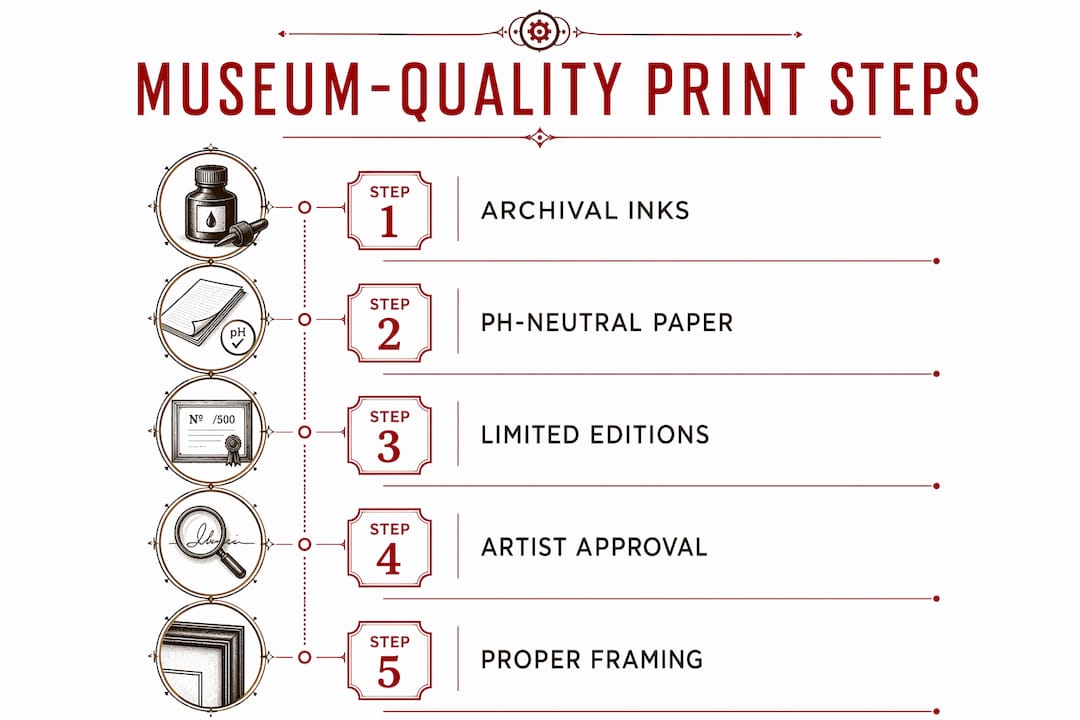
"Museum quality" carries no legal definition. As conservation professionals note, the term lacks regulatory standing and is often used as a marketing label. What it should signal, when used honestly, is adherence to archival conservation standards: chemical stability, pH-neutral materials, and pigment-based inks that resist off-gassing and color shift over decades.
The practical distinction between a fine art print and a mass-market reproduction comes down to four factors:
- Edition size: Limited editions typically range from 2 to 100 prints; editions above 200 are generally classified as multiples or reproductions.
- Artist involvement: Fine art prints are signed, numbered, and approved by the artist. Reproductions often lack any direct artist oversight.
- Production method: Giclée printing, using 12-color inkjet printers with archival inks on acid-free papers, is the accepted standard for fine art digital reproduction.
- Edition integrity: Reputable artists and studios destroy master files or printing plates after the edition is complete, guaranteeing no additional prints can be made.
One detail collectors often overlook: edition numbering does not reflect production order. A print labeled 1/30 and one labeled 30/30 are identical in quality. The number is assigned after printing, often at random when the artist signs the works.
Conservation-grade prints must also meet physical standards beyond appearance. pH-neutral papers and pigment inks prevent the chemical reactions that cause yellowing, brittleness, and color loss. A print that looks vivid today but was made with dye-based inks on standard paper may show visible fading within a decade.
Tortugacreations offers a distinctive alternative for discerning collectors
If you appreciate art that carries a story as carefully crafted as the image itself, Tortugacreations takes a different approach from the galleries and print studios above.
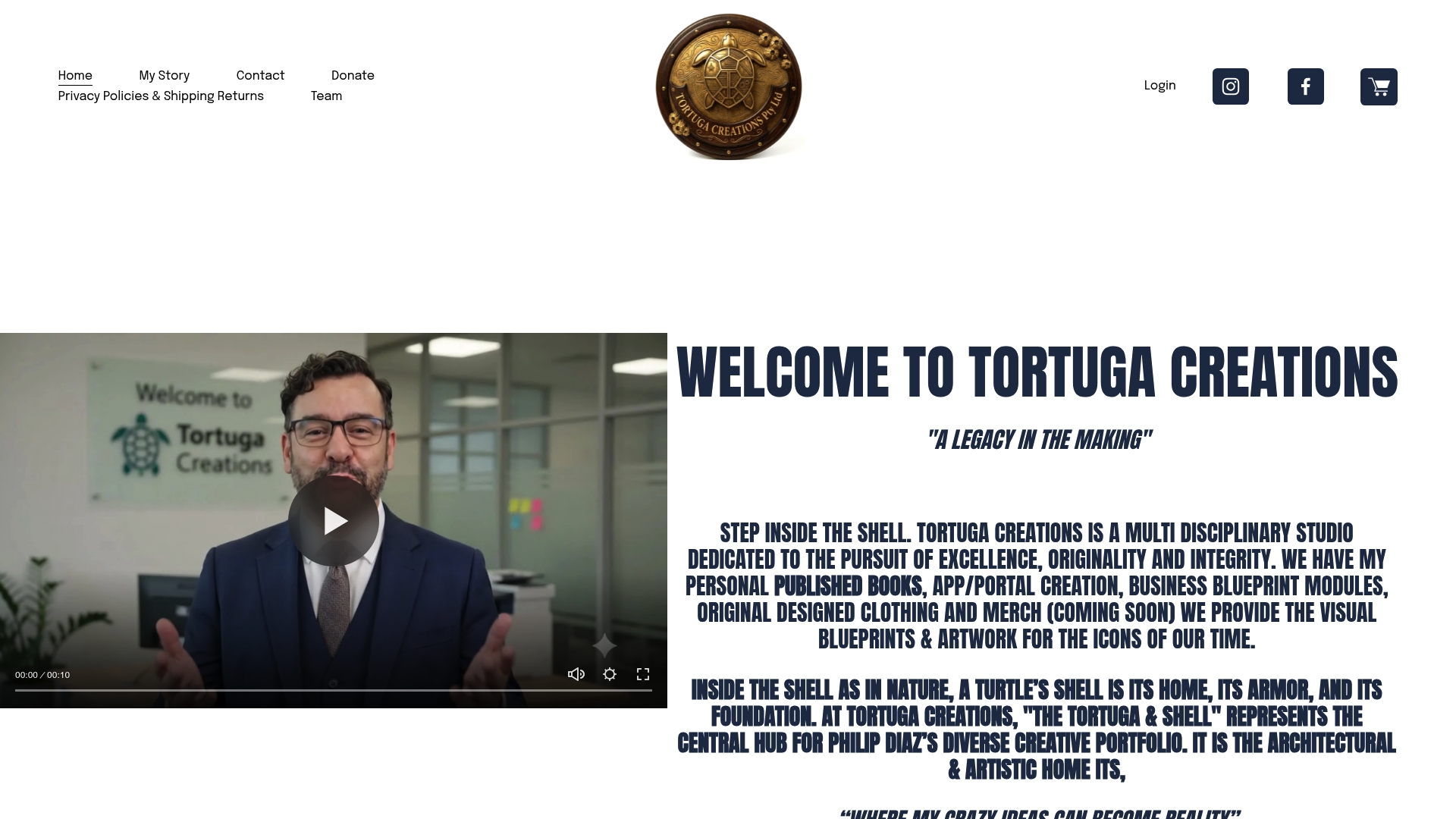
Founded by Philip Diaz, Tortugacreations fuses historical research with high-end digital design to produce archive-quality poster art and authored books documenting cultural and sporting milestones. The studio's aesthetic blends steampunk craftsmanship with technical precision, producing works that feel as much like artifacts as they do prints. Key offerings include cricket heritage archives, technical blueprint dossiers for sneaker and sport collectors, and original poster art in limited runs. Every piece ships Australia-wide, including throughout Tasmania. For collectors who want art grounded in documented history and produced to archive-grade standards, Tortugacreations is worth exploring as a complement to locally sourced fine art.
Key Takeaways
Genuine museum-quality prints are defined by archival materials, limited edition control, and direct artist involvement, not by the label itself.
| Point | Details |
|---|---|
| "Museum quality" is unregulated | The term has no legal definition; verify technical specs like pigment inks and acid-free papers instead. |
| Eagle Eye Tasmania leads locally | It uses Epson SureColor P9570 printers and archival substrates, the only listed provider offering fine art printing services. |
| Edition size signals value | Limited editions of 2–100 prints carry the most collector value; editions above 200 are typically classified as reproductions. |
| Ask before you buy | Request ink type, paper certification, edition size, and provenance documentation from any provider before ordering. |
| Tortugacreations as an alternative | For collectors seeking archive-quality poster art with cultural narratives, Tortugacreations ships Australia-wide with original limited-run works. |
Recommended
- Authored Books — Explore the technical beauty of ART, design and sport with Tortuga Creations. Premium blueprint posters and technical dossiers for cricket and sneaker collectors. Shipping Australia-wide.
- Explore the technical beauty of ART, design and sport with Tortuga Creations. Premium blueprint posters and technical dossiers for cricket and sneaker collectors. Shipping Australia-wide.
- Tortuga Creations Poster Art — Explore the technical beauty of ART, design and sport with Tortuga Creations. Premium blueprint posters and technical dossiers for cricket and sneaker collectors. Shipping Australia-wide.
- Explore the technical beauty of Art, Design and sport with Tortuga Creations. Premium blueprint posters and technical dossiers for cricket and sneaker collectors. Shipping Australia-wide.