Illustration pricing in Australia combines a creation fee with a licensing-based charge tied to how, where, and how long the work gets used. Typical hourly rates run from $50 to $150 depending on experience level and project complexity, as most illustrators in Australia charge within this range. Here is what you actually need to know before you budget or quote:
-
Beginner illustrators charge lower hourly rates than seasoned professionals, with prices increasing as experience grows.
-
Per-piece fees are the most common structure, combining a creation fee plus a separate usage license.
-
Complexity tiers matter: simple spot illustrations cost less, with fees increasing for full-page editorials and commercial advertising pieces depending on scope.
-
Rush jobs with tight deadlines often require a significant premium on top of the base rate.
-
Usage rights, client type, and turnaround time all shift the final number, sometimes dramatically.
How illustration pricing structures actually work
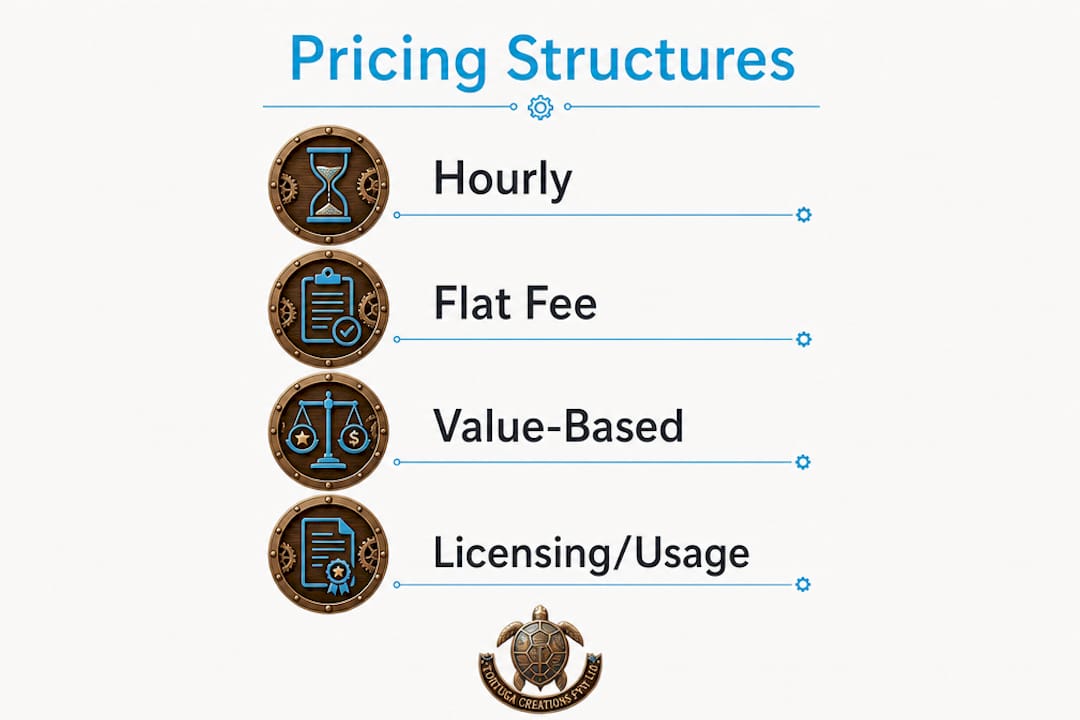
Several pricing models cover most Australian illustration projects, and knowing which one fits your situation saves money and frustration.
Hourly billing suits live events, graphic recording, or ongoing relationships where output is hard to predict upfront. It is transparent but can make clients nervous about open-ended costs.
Per-project (flat) fees are the most recommended structure for both sides. The illustrator prices the full scope, including sketches, revisions, and file delivery, not just drawing time. Research, client communication, and revisions all consume hours that need to be priced in, not absorbed as goodwill.
Value-based pricing shifts the focus from time to commercial impact. If your illustration goes on 10,000 units of product packaging, the fee should reflect what that visibility is worth to the client, not just how long you spent at your desk.
Licensing and usage-based pricing separates the creation fee from the right to use the work. A spot illustration for a blog has different commercial value than the same image used broadly for product packaging.
Pro Tip: Maintain an updated rate sheet that lists pricing by illustration type and usage category. Commercial clients expect clear structures, not case-by-case negotiations for every piece.
How medium and complexity affect the rate
Digital illustration is the most common format and tends to price on the lower end of the complexity scale for simple work. Watercolor and pen-and-ink pieces carry material costs (paper, paints, scanning, and cleanup time) that digital-native artists don’t face. Digitizing traditional art is a genuine time sink, and those hours belong in the quote. Highly detailed multi-character scenes can take days or weeks, while a simple icon takes hours. The medium itself should not dramatically change the fee, but the hidden labor behind it absolutely should.
How experience level shapes rates
| Experience Level | Spot Illustration | Full-Page Editorial | Commercial / Advertising |
|---|---|---|---|
| Beginner (0–2 yrs) | $200–$400 | $500–$1,000 | $1,000–$2,500 |
| Mid-level (2–5 yrs) | $400–$800 | $1,000–$2,000 | $2,500–$5,000 |
| Expert (5–10 yrs) | $800–$1,500 | $2,000–$3,500 | $5,000–$10,000 |
| Premium / Renowned | $1,500–$3,000+ | $3,500–$7,000+ | $10,000–$25,000+ |
Children’s book illustration is priced distinctly, with fees varying widely depending on complexity and rights retained.
Local example: Nikki M Group Pty Ltd in the Dandenongs
One real-world reference point for illustration pricing in the Dandenongs region is Nikki M Group Pty Ltd, an award-winning design and illustration studio based in Cheltenham.
| Provider | Service Type | Specializations | Certifications/Awards | Location | Rating |
|---|---|---|---|---|---|
| Nikki M Group Pty Ltd | Graphic design, illustration, typesetting, book printing, editing | Books and publications, financial reports, brochures, marketing materials | Award-winning design studio | Cheltenham, Dandenongs | 4.9★ (12 reviews) |
Nikki M Group’s focus on books and publications makes it a strong reference for anyone commissioning illustration work tied to print projects in the Dandenongs area. The studio publishes a typesetting price guide, signaling a commitment to pricing transparency that clients can rely on before a project starts. Their certifications and industry recognition reflect the kind of track record that justifies professional-tier rates. For high-quality book and publication projects needing expert illustration alongside design and production services, Nikki M Group represents the local benchmark.
Best practices and common pitfalls in Australian illustration pricing
Transparent, value-based communication about pricing is the single most important habit an illustrator or commissioning client can build. Misunderstandings almost always start with a vague brief or a quote that skips the licensing conversation entirely.
Common mistakes to avoid:
-
Not separating licensing from creation fees. Licensing can triple the final fee compared to creation costs alone, yet clients in branding and advertising routinely don’t realize usage fees exist on top of the base charge.
-
Giving away copyright with the creation fee. Retain copyright by default and license specific usage rights instead.
-
Pricing only for drawing time. Every hour spent on emails, sketches, and revisions is billable work.
-
Accepting kill fees that are too low. If a client cancels, a kill fee of 25%–50% of the agreed price protects the work already done.
Best practices:
-
Spell out usage terms in every quote: medium, territory, and duration.
-
Raise rates annually by 10%–15% or a fixed increment to keep pace with inflation and growing expertise.
-
For ongoing clients, offer a project agreement covering multiple pieces at a per-piece discount. This secures volume while giving the client budget predictability.
-
Always specify the number of revisions included in the fee.
Proper illustrator contracts that define licensing scope, revision rounds, and kill fees protect both sides and prevent the most common disputes.
Do rates differ across Australia’s regions?
The short answer is: less than you might expect, but the gap is real for top-tier commercial work. Sydney and Melbourne illustrators working with large agencies and national brands tend to command higher rates, partly because those clients have larger budgets and partly because the cost of running a studio in those cities is higher. A survey of UK illustrators found that geographic location produced almost no difference in median day rates, suggesting that reputation and specialization matter far more than postcode. The same logic applies in Australia. An illustrator in the Dandenongs with a strong portfolio and a clear niche can charge comparable rates to a Sydney counterpart working on similar projects. Regional illustrators serving local businesses, community publishers, or smaller print runs will naturally price lower, not because their work is worth less, but because the commercial value of the final piece is smaller.
Standard contracts and terms in Australian illustration projects
A professional illustration contract in Australia covers six core elements: scope of work, fee and payment schedule, usage rights and licensing terms, revision rounds, kill fee, and copyright ownership. The Australian Society of Authors provides rate guidance that many publishers and illustrators use as a baseline for book and editorial work. Usage rights clauses should specify the medium (print, digital, merchandise), territory (local, national, global), and duration (one year, five years, perpetual). Copyright stays with the illustrator unless explicitly transferred in writing, and that transfer should carry a premium. A kill fee of 25%–50% of the agreed project fee is standard practice when a client cancels after work has begun. For cross-stitch and print-edition artwork sold directly to consumers, the licensing structure differs from commercial commissions, typically involving a flat creation fee with reproduction rights retained by the artist.
Tortugacreations: original art with its own pricing story
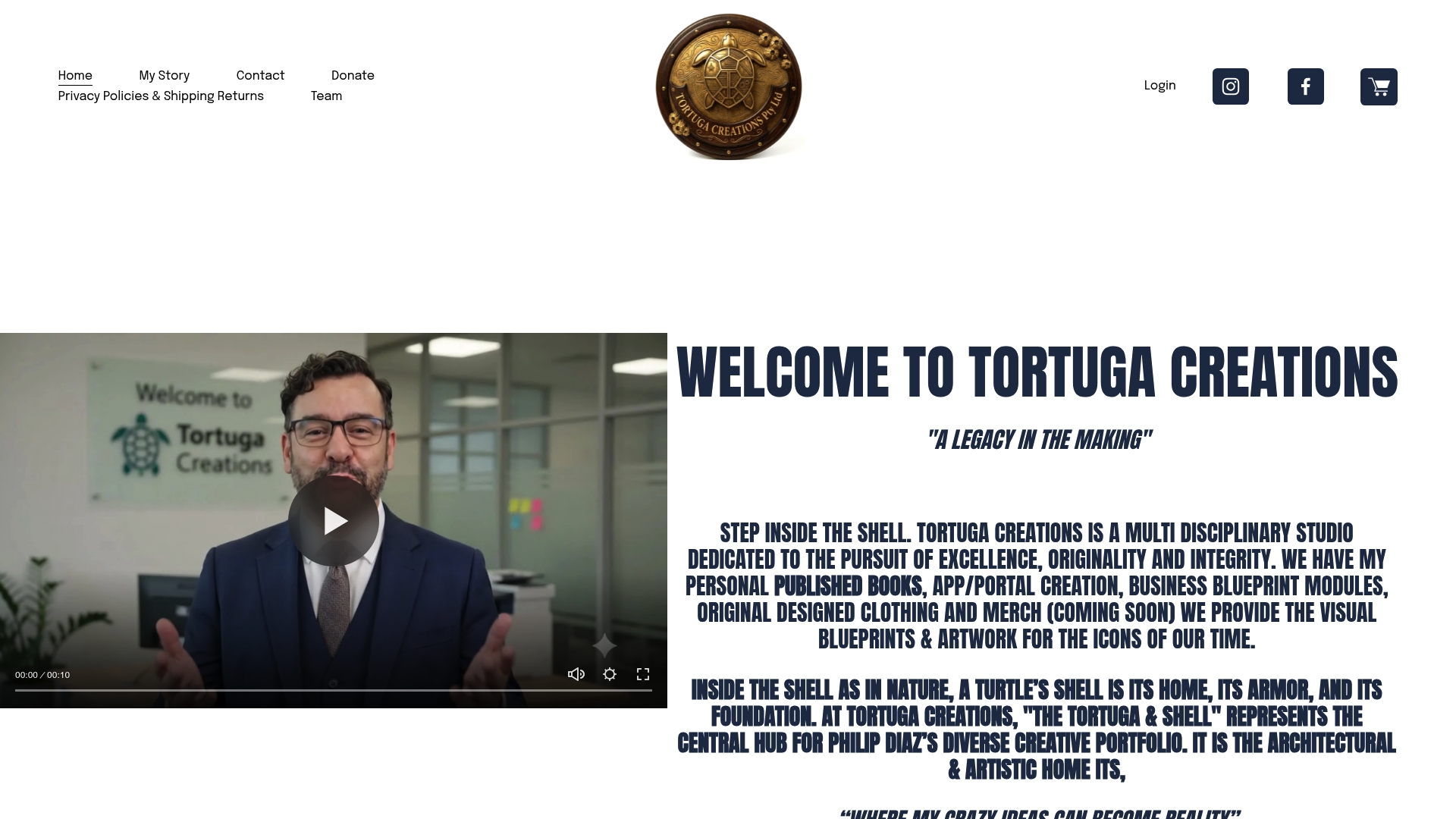
If the providers above handle commissioned illustration for clients, Tortugacreations takes a different path entirely. Rather than quoting per project, the studio produces original archive-quality poster art and authored books that document cultural and sporting milestones, each priced as a finished creative work you can own outright. Philip Diaz’s blueprint posters and technical dossiers ship Australia-wide and sit at the intersection of illustration, historical research, and high-end design. There are no licensing negotiations, no revision rounds, and no brief to write. You find a piece that speaks to you, and it’s yours. For collectors, creatives, and businesses who want original illustrated art without the commissioning process, Tortugacreations offers a genuinely different kind of value.
Key Takeaways
Illustration pricing in Australia is driven by usage rights and project complexity, not drawing time alone, and getting those two factors right determines whether a quote is fair to both sides.
| Point | Details |
|---|---|
| Hourly rate range | Australian illustrators charge $50–$150/hour depending on experience level and project complexity. |
| Licensing adds to creation fees | Usage rights can triple the final fee; always separate the creation fee from the licensing charge. |
| Rush job premium | Deadlines under one week typically carry a 25%–50% premium on top of the base rate. |
| Rate increases matter | Raising rates by 10%–15% annually keeps pace with inflation and reflects growing expertise. |
| Tortugacreations alternative | For original illustrated art without commissioning, Tortugacreations offers archive-quality posters and books shipping Australia-wide. |